
 Ventolin for Exercise-induced Breathing Problems
diflucan for sale
How Ventolin Works during Exercise
Ventolin opens the airways by relaxing the muscles around them, so breathing feels easier when exercise starts to push the lungs harder. During a workout, cold air, fast breathing, or intense effort can trigger tightness and wheezing, but the medicine helps calm that reaction quickly. Many people notice they can keep moving with less strain and more confidence.
Its effect is often felt within minutes, making it a practical support before running, cycling, or training. The relief is not from building stamina, but from reducing the airway squeeze that can turn a good session into a difficult one. That is why timing and correct use matter so much.
Recognizing Exercise-induced Breathing Warning Signs
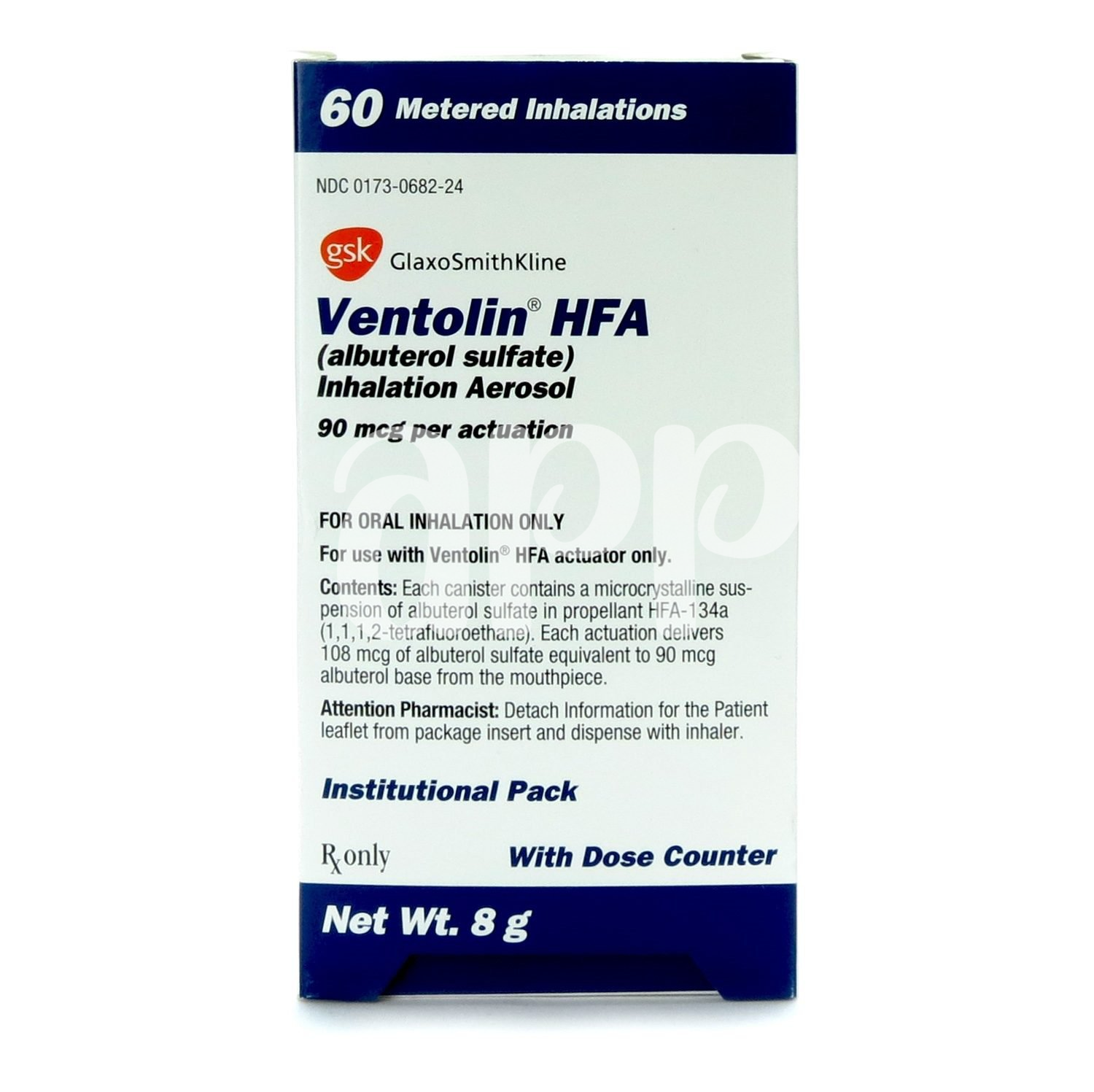
At first, the signs can feel subtle: a tight chest, a dry cough, or a strange wheeze after a sprint. Some people notice they cannot catch their breath as quickly as usual, even after slowing down. Teh body may seem to be asking for air, but the air still feels out of reach.
A drop in performance is often the next clue. If your legs keep going but your breathing gets louder, faster, or uneven, that matters. An athlete may feel chest pressure, throat tightness, or a burning sense that something is not right, especially in cold or dry weather.
These warning signs should not be ignored, because they often begin during activity or shortly after it ends. When symptoms show up repeatedly, they can point to exercise-triggered airway narrowing. Listening to your body early makes it easier to respond before the discomfort grows.
Knowing the pattern helps you act with confidence. If breathlessness, wheezing, or coughing keeps returning after workouts, ventolin may be part of the plan, but first the body is sending a clear signal. Recognizing that signal can protect both performance and safety.
When to Use Ventolin before Activity
If wheezing or tightness usually appears as you warm up, ventolin can be taken shortly before exercise to help open the airways. Many people find it useful when activities like running, cycling, or sports trigger symptoms, letting them breathe more comfortably and stay active.
Use it as directed by your clinician, often about 10 to 15 minutes before activity. Keeping track of how often you need it matters too, because frequent use may signal that your asthma or breathing plan needs review.
Proper Ventolin Technique for Best Relief

A smooth ventolin routine starts with calm breathing and a quick check of the inhaler. Shake it well, then remove the cap and stand or sit upright. This simple setup helps the medicine travel where it is needed most, giving your lungs a better chance to open during activity.
Before exercise, exhale fully, place the mouthpiece between your lips, and begin a slow, deep inhalation as you press the canister once. Hold your breath for a few seconds, then breathe out gently. That pause matters, because it gives ventolin time to work instead of escaping into the air.
If your plan includes a spacer, use it consistently. It can make each puff easier to manage and improve how much medicine reaches your airways. Many athletes skip this step, yet the extra control often means steadier relief and fewer sudden symptoms mid-workout.
Finish by following your prescribed timing and dose, not guesswork. Keep a note of how you feel after each session, since that helps you spot patterns and avoid overuse. A little attention at the begining can turn a rushed moment into safer, easier exercise.
Common Mistakes Athletes Make with Ventolin
Athletes sometimes trust ventolin too much, taking an extra puff before every workout as if more always means better relief. That habit can mask real warning signs and delay proper care. It is best to follow the prescribed dose and notice how your body responds.
Another common error is poor timing. Using the inhaler after symptoms have already become severe may not work as well. Some people also skip warming up, even though a steady begining can reduce breathing trouble and help the lungs adjust.
Technique matters too. If the inhaler is not shaken, sealed around the mouth, or inhaled correctly, the medicine may not reach deep enough. Teh result can be less relief and more frustration during training.
| Careless use, wrong timing, and weak technique can turn a helpful ventolin plan into an unreliable one. Listening to your body and following guidance keeps exercise safer. |
Safety Tips and When to Seek Help
Carry Ventolin exactly as prescribed, and check the inhaler and dose counter before training. If symptoms become severe, stop immediately, sit upright, and use your rescue inhaler as directed; breathing should ease within minutes. If not, get medical help without delay, especially if you feel dizzy, cannot speak in full sentences, or your lips turn blue.
Young athletes often push through warning signs, but that can make things worse. It helps to warm up first, avoid known triggers like cold air, and keep a plan for teammates, coaches, or family. A small routine can protect performance and keep an episode from becoming an emergency.
If wheezing keeps returning, you need Ventolin more often than usual, or it no longer works well, speak with a clinician. Repeated symptoms may mean your condition needs review. Trusted information is available at NHS and Mayo Clinic.
colchicine for sale cialis soft tabs for sale