
 Ventolin Inhaler Vs Other Asthma Inhalers
vermox for sale
How Ventolin Works during Asthma Attacks
During an asthma attack, breathing can feel like air is slipping through a narrow straw. Ventolin steps in fast, relaxing the tight muscles around the airways so they open wider. That sudden relief can turn panic into control within minutes.
As the medicine reaches the lungs, it helps air move more freely, easing wheezing, chest tightness, and shortness of breath. Many people keep it close because the response is often quick, almost like a rescue signal when symptoms suddenly flare.
This makes Ventolin especially useful for acute episodes, not for long-term control. It does not cure asthma, but it can calm the immediate crisis and help someone regain a steadier rhythm of breathing.
| Key action | Relaxes airway muscles |
| Main benefit | Fast symptom relief |
Ventolin Versus Preventer Inhalers Explained

The ventolin inhaler acts fast, easing tight airways during sudden asthma symptoms. It is a reliever, not a long-term controller, so it’s used when breathing becomes difficult.
Preventer inhalers work differently, quietly reducing inflammation day by day. They help lower attack risk over time, but they don’t give quick relief in the moment.
Teh main contrast is timing: ventolin inhaler brings rapid comfort, while preventers build protection with regular use. Many people need both, depending on their asthma pattern.
Understanding this difference helps you use each inhaler properly and stay prepared. Quick relief and steady control work best when they are matched to your needs.
Relief Speed Compared Across Common Inhalers
When breath tightens suddenly, the ventolin inhaler is often the quickest rescue, usually easing symptoms within minutes. That fast action is why many people keep it close during sports, pollen days, or night-time flare-ups.
Other reliever inhalers can work at a similar pace, but some feel a little slower or last longer. A few combinations may soften wheeze well, yet they are not always the first choice for instant relief.
For most patients, speed matters most in the begining of an attack. Doctors often compare how quickly each inhaler opens the airways, then match that with the person’s pattern of symptoms and need for reliable relief.
Side Effects: Ventolin and Alternatives
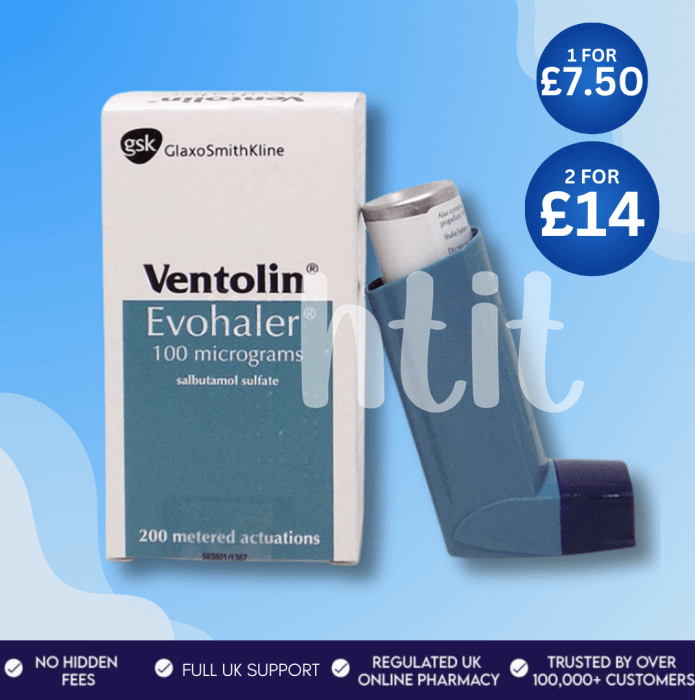
The ventolin inhaler can bring quick relief, but it may also cause a shaky feeling, a fast heartbeat, or mild dizziness. For many people, these effects are short-lived and fade as the dose settles. Some users notice a dry throat, a slight cough, or a nervous buzz after using it.
Other asthma inhalers can feel different. Preventer inhalers may cause hoarseness, oral thrush, or throat irritation if you do not rinse afterward. Long-acting relievers and combination inhalers can also trigger tremors or palpitations, though usually less suddenly than a rescue spray.
What matters most is how your body responds. One person may barely notice a side effect, while another feels it right away. Keeping track of symptoms helps you see patterns and decide if a change is needed.
If an inhaler causes problems often, speak with a clinician. Small adjustments can make treatment easier, safer, and more confortable over time.
Cost, Availability, and Convenience Differences
For many patients, the ventolin inhaler feels like the most affordable rescue option, especially when symptoms strike suddenly. Generic versions can lower the price, making it easier to keep one in a bag, desk, or car.
Other inhalers may be harder to find or more expensive, depending on the pharmacy and insurance cover. Some are less practical for quick use, while Ventolin is widely recognized for simple, on-the-go relief. It is definately a familiar choice.
| Inhaler | Typical Use | Convenience |
|---|---|---|
| Ventolin | Fast rescue | Easy to carry |
| Preventer inhalers | Daily control | Need regular routine |
Choosing the Right Inhaler for You
The right inhaler depends on your symptoms, treatment goals, and how often attacks happen. A quick-relief option like Ventolin can be the most practical choice when wheezing starts suddenly, while a preventer may suit people who need daily control. Your doctor may also consider your age, inhaler technique, and whether you can use a spacer. The best match is not always the strongest medicine; it is the one you can use correctly and consistently. NHS salbutamol inhalers MedlinePlus albuterol inhalation
If your inhaler feels hard to use, or if symptoms return often, that is a sign to review your plan. Some people need a reliever for sudden breathlessness, while others benefit more from regular anti-inflammatory treatment to reduce flare-ups over time. Side effects, cost, and access can also shape the decision, so a short conversation with a clinician can save a lot of frustration later. The goal is simple: fast relief when needed, and better control overall.
Think of it as building a personal asthma toolkit rather than choosing one device forever. Many people do best with a combination approach, where the reliever handles emergencies and the preventer lowers future risk. If you are unsure, keep notes on symptoms, triggers, and how often you use your inhaler, then bring that information to your appointment. Small details can lead to a smarter choice and a calmer breathing routine.
wellbutrin for sale albenza for sale