
If you twisted your knee, heard a pop, noticed swelling, or feel instability, an ACL assessment is worth booking.
ACL injuries often happen during pivoting, cutting, landing from a jump, slowing down quickly, or taking contact to the knee. Some athletes notice the problem right away. Others can keep moving at first and then develop swelling, stiffness, or a sense that the knee might give way later the same day.
The ACL, or anterior cruciate ligament, helps stabilise the knee during movement. When it is partially or completely torn, the knee may feel unreliable with sport, stairs, uneven ground, or direction changes.
Early assessment matters. It helps determine whether imaging, physiotherapy, bracing, rehabilitation planning, or referral to an orthopaedic knee surgeon is needed. It also reduces delays in diagnosis and supports a safer return to activity.
At Sather Reid Sport Medicine Clinic, the Acute Knee Injury Clinic provides expert assessment for athletes and active people in Edmonton and St. Albert. If the injury is recent and you are not sure how serious it is, assessment can clarify what happened and what to do next.
What should you do after a suspected ACL injury?
If you think you may have injured your ACL, avoid trying to push through or “test” the knee. An unstable knee can be at risk for further injury, especially with pivoting, cutting, jumping, or returning to sport too soon.
1. Stop sport or activity if the knee feels unstable.
Do not continue playing if your knee feels like it may give way, buckle, or shift underneath you.
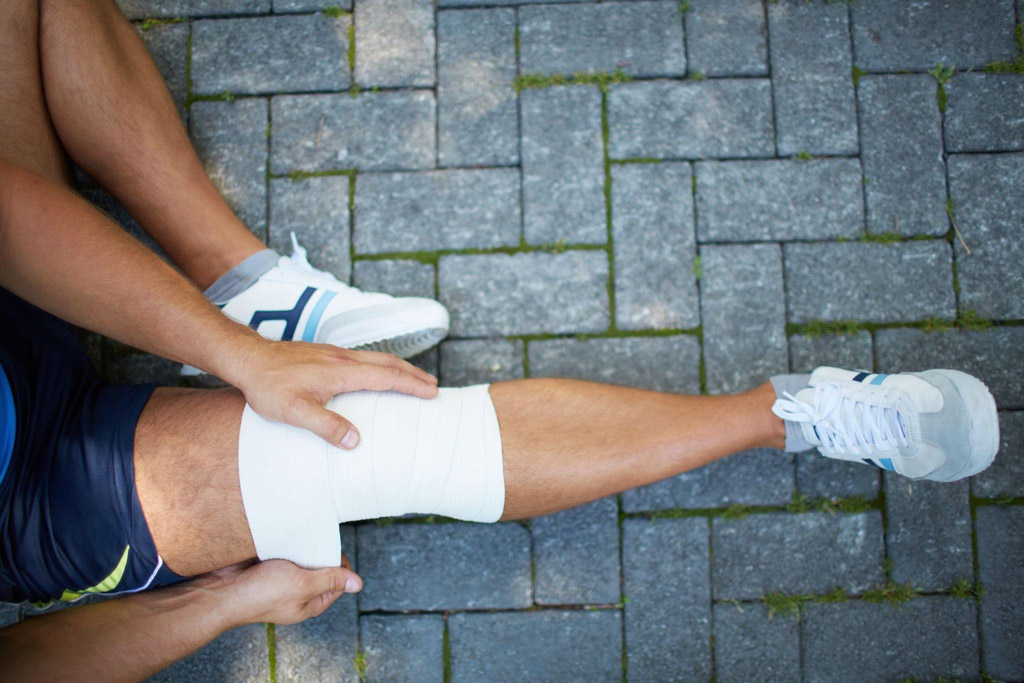
2. Ice, elevate, and compress the knee if swelling develops.
Swelling after a knee injury can be a sign of internal irritation or structural injury. Managing swelling early may help with comfort and mobility while you arrange assessment.
3. Avoid pivoting, cutting, jumping, or trying to “test” the knee.
Movements that twist or load the knee can aggravate the injury or increase the risk of additional damage.
4. Do not rush back into play, even if pain improves.
Some ACL injuries feel less painful after the first few days, but the knee may still be unstable or injured. Pain improvement does not always mean the ligament is healed.
5. Book an assessment if there was a pop, swelling, instability, difficulty walking, or trouble fully bending or straightening the knee.
These symptoms can suggest a more significant knee injury and should be assessed by a qualified healthcare professional.
A Sport Medicine assessment can help determine the next step. That may include imaging such as an X-ray or MRI, starting physiotherapy, using a brace, or referring to orthopaedic surgery. For athletes in Edmonton, St. Albert, and surrounding communities, early assessment can create a clearer recovery plan and reduce unnecessary delays.
What Is the ACL and Why Does It Matter?
The anterior cruciate ligament is one of four major ligaments stabilizing the knee joint. It runs diagonally through the centre of the knee, connecting the femur (thigh bone) to the tibia (shin bone), and its primary job is to control anterior translation of the tibia and rotational forces at the joint.
When the ACL is sprained, the ligament fibres are stretched or torn. Sprains are graded by severity:
| Grade | Description | Structural Damage |
| Grade I | Mild sprain | Fibres stretched, ligament intact |
| Grade II | Moderate sprain | Partial tear, some instability |
| Grade III | Complete rupture | Full tear, significant instability |
A Grade III ACL tear is what most people mean when they say “I tore my ACL.” The knee loses its primary restraint against rotation and forward tibial movement, which is why athletes often describe a feeling of the knee “giving out” during cutting or pivoting activities.
The ACL has poor intrinsic healing capacity because of its intra-articular environment and limited blood supply. That is why Grade III tears usually require either surgical reconstruction or a carefully managed non-operative rehabilitation program, depending on the athlete’s goals and knee stability.
How ACL Injuries Happen: Contact vs. Non-Contact Mechanisms
One of the most important distinctions in ACL injury is understanding how the ligament was loaded at the moment of injury. Research covering over 5,600 ACL injury situations across 20 sports identifies four primary injury categories: change of direction, landing after a jump, direct contact to the knee, and gear-induced mechanisms.
Non-Contact ACL Injuries
Non-contact injuries account for approximately 43.7% of ACL tears across all sports, making them the single most common mechanism overall. The athlete injures the ligament through their own movement, with no opponent contact involved.
The typical scenario: an athlete plants their foot to cut, decelerate, or land from a jump. In that split second, the knee collapses inward (dynamic valgus), the tibia rotates internally, and the ACL absorbs forces it cannot withstand. The injury is often over before the athlete even realizes what has happened.
Common non-contact situations include:
- Planting and cutting to change direction
- Single-leg landing from a jump with a valgus collapse
- Sudden deceleration while running at speed
- Pivoting with the foot fixed to the ground
Indirect and Direct Contact ACL Injuries
Contact injuries involve another athlete or object contributing to the mechanism. These are further divided:
Indirect contact means a player is bumped or jostled, but the contact is not directly to the knee. The contact disrupts their balance or body position, loading the ACL in a vulnerable position. In basketball, indirect contact accounts for 36.8% to 53.8% of ACL injuries, making it the dominant mechanism in that sport.
Direct contact involves a force applied straight to the knee, such as a tackle or collision. This is the predominant mechanism in collision sports. In American football and rugby, direct contact injuries represent 30–37% of ACL tears. A classic example is a valgus force applied to the lateral knee while the foot is planted, driving the joint into the injury position.
Clinical note: Knowing the mechanism matters for assessment. A non-contact injury with a pop, rapid swelling, and instability is highly suspicious for a complete ACL tear. Both contact and non-contact injuries may involve concurrent damage to other structures, including the medial collateral ligament or menisci, which changes the management approach.
Which Sports Carry the Highest ACL Risk?
ACL injuries are not evenly distributed across sports. They cluster in activities that demand rapid changes of direction, explosive acceleration and deceleration, jumping and landing, and physical contact. Based on current evidence, the highest-risk sports include:
- Soccer (football): Non-contact and indirect contact mechanisms dominate, particularly during defensive pressing actions, cutting, and regaining balance after a kick. Dynamic knee valgus is consistently reported as the biomechanical culprit.
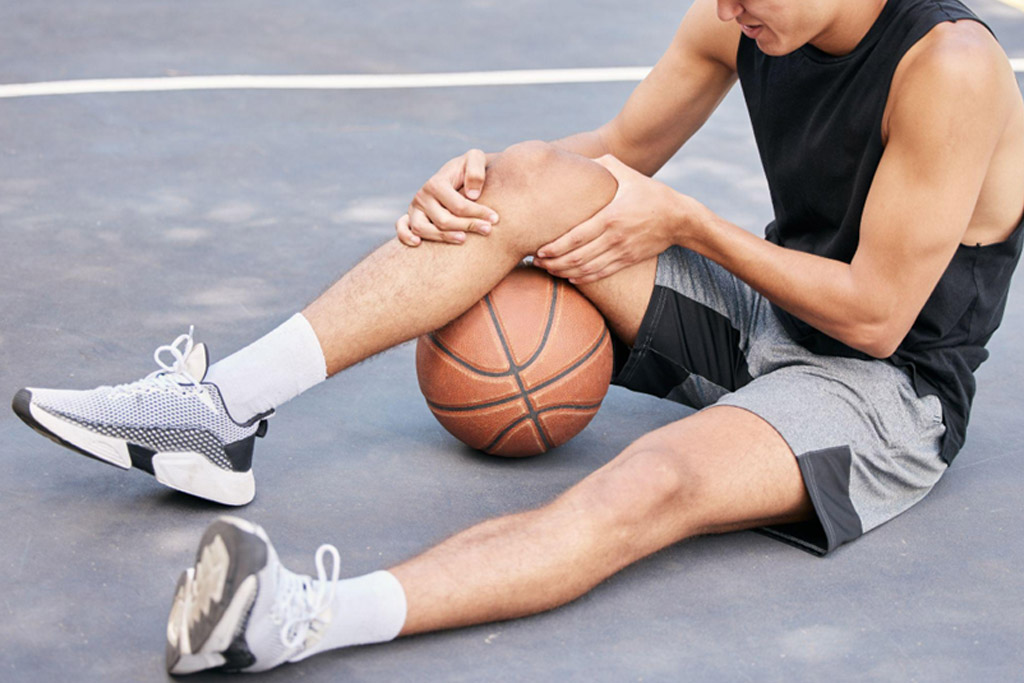
- Basketball: Indirect contact is the leading mechanism. The combination of jumping, landing, and close-quarters physical play creates frequent high-risk situations.
- American football and rugby: Direct and indirect contact injuries are both prevalent, reflecting the collision nature of these sports.
- Volleyball and handball: Landing injuries account for 57–82% of ACL tears in sports with significant overhead play and repeated jumping.
- Alpine skiing: ACL injuries represent 14.9% of all skiing injuries, driven by rotational forces when an edge catches or a skier loses control. This compares to only 3.1% in snowboarding, where falls tend to load the upper body rather than the knee.
Competition vs. practice: Athletes face a seven times higher risk of ACL injury during competition compared to practice. The unpredictability of game situations, the pressure to react quickly, and the presence of opponents all contribute to this elevated risk.
Locally in Edmonton and St. Albert, we see a high volume of ACL injuries from hockey, soccer, and skiing, reflecting the sports culture of our region. The gear-induced mechanism is particularly relevant in hockey, where the skate boot can transmit rotational forces directly to the knee during falls or collisions.
What Predisposes Athletes to ACL Injuries?
ACL injuries rarely come down to bad luck alone. A combination of modifiable and non-modifiable risk factors determines who is most vulnerable. Understanding these factors is central to both prevention and the post-injury conversation.
Non-Modifiable Risk Factors
These are characteristics an athlete cannot change, but they inform how we assess and manage risk:
- Sex: Female athletes face a two to eight times greater risk of ACL injury compared to male athletes in the same sports. Contributing factors include hormonal influences on ligament laxity, differences in pelvis and lower limb alignment (greater Q-angle), and neuromuscular patterns that favour quadriceps dominance over hamstring co-contraction.
- Anatomy: A narrower intercondylar notch (the groove through which the ACL passes) is associated with increased injury risk. Ligament size relative to body mass also plays a role.
- Previous ACL injury: An athlete who has torn one ACL carries an 11.2% risk of tearing the contralateral knee within six years. Re-injury rates for the same knee range from 10–14%, underlining why return-to-sport criteria matter enormously.
- Genetics: Emerging research points to genetic variants influencing connective tissue structure and neuromuscular patterns as contributors to ACL injury susceptibility.
Modifiable Risk Factors
These are the factors that targeted training and assessment can address:
- Neuromuscular control: Poor hip and knee control during landing and cutting is the most consistently identified modifiable risk factor. Athletes who land with excessive knee valgus, limited hip flexion, and stiff landings load the ACL disproportionately.
- Quadriceps dominance: Over-reliance on the quadriceps relative to the hamstrings increases anterior tibial shear force, directly stressing the ACL. Hamstring strengthening is a cornerstone of prevention programs.
- Fatigue: Most ACL injuries across sports occur in the first half of competition, which may seem counterintuitive, but reflects the high-intensity, reactive demands early in a game before players have settled into movement patterns. Late-game fatigue also degrades neuromuscular control, creating a second window of risk.
- Training load and preparation: Athletes returning from a break or entering a new competitive season without adequate preparation carry elevated risk.
The practical takeaway: The majority of modifiable risk factors relate to movement quality and neuromuscular control. Evidence consistently shows that structured prevention programs incorporating jump training, balance work, and strengthening can reduce ACL injury risk by up to 70%.

What to Do After a Suspected ACL Injury
If you or an athlete you coach sustains a knee injury with a pop, rapid swelling within the first few hours, and a sense of instability, treat it as a potential ACL tear until proven otherwise. Early, expert assessment changes outcomes.
Immediate Steps
- Stop play. Continuing to compete on an unstable knee risks further damage to the menisci and articular cartilage.
- Apply ice and compression to manage swelling in the acute phase.
- Weight-bearing as tolerated with crutches or a cane if the knee feels unstable or buckles.
- Seek assessment promptly. Imaging alone does not determine management. Clinical examination by an experienced clinician is essential to understand the degree of instability, identify concurrent injuries, and begin planning the appropriate care pathway.
Next Steps: Expert Assessment and Recovery Planning with the Acute Knee Injury Clinic (AKIC)
At Sather Reid Sport Medicine, the Acute Knee Injury Clinic exists specifically for this moment. The AKIC is a specialized clinic designed for the rapid, expert assessment and management of acute knee injuries, including suspected ACL tears. Athletes are seen by a Sport Medicine Physician and a Physiotherapist with advanced training in knee assessment, allowing for accurate diagnosis, appropriate imaging referral, and early initiation of a rehabilitation or surgical planning pathway.
Prompt assessment matters for two reasons. First, it gives athletes and families clarity at a stressful time. Second, early rehabilitation, even before surgery, is linked with better post-operative outcomes.
Athletes who enter ACL reconstruction with a full range of motion, minimal swelling, and good quadriceps activation tend to recover more quickly and more completely.
Whether the path forward involves surgery or a structured non-operative program, the goal is the same: return the athlete to sport safely, with a knee that can handle the demands of competition. That process starts with getting the right assessment, from the right team, as early as possible.
If you have sustained an acute knee injury, contact Sather Reid Sport Medicine to book an assessment through the Acute Knee Injury Clinic.