
What is clinical Pilates, and why is it useful?
Clinical Pilates uses Pilates-based exercise as part of a physiotherapy treatment plan. Your physiotherapist starts with a clinical assessment, then builds an individualized program based on what they find. Pilates can be combined with other physiotherapy tools, such as dry needling, soft tissue release and manual therapy, and each exercise is chosen to address your specific needs.
What makes Pilates a valuable rehabilitation tool is that it trains strength and mobility at the same time, building strength through a larger range of motion. There is a strong emphasis on spinal mobility and on controlling the spine through its full range.
Many people have areas of the spine that have become stiff or that they don’t move well through. Common examples include limited flexion or extension through the lower back (lumbar spine), and reduced extension or rotation through the upper back (thoracic spine). Pilates offers a range of movements that teach more than neutral spine awareness. They teach you how to control your spine in space and through its full range.
Core strength and stability are another focus. On equipment such as the reformer, springs can either add resistance or provide assistance, so exercises can be made more challenging or more supported to suit your stage of recovery.
Where does Pilates fit into athleticism?
Let’s break it down. What are the main components of a well-rounded, athletic, well-functioning body?
- Muscular strength and endurance
- Maximal strength
- Muscular endurance
- Power and explosiveness
- Rate of force development
- Elasticity (plyometrics)
- Cardiovascular and metabolic conditioning
- Aerobic capacity
- Anaerobic capacity
- Mobility and flexibility
- Passive range of motion (tissue length or joint range)
- Active control through range
- Nervous system and coordination
- Motor control and agility
- Balance and proprioception
A well-rounded training program should ideally address all of these areas, with extra emphasis on the ones where you need the most work. No single modality or training technique covers every area, so a good program uses a mix of approaches.
Pilates stands out in a few areas:
- Muscular endurance
- Mobility and flexibility, especially learning to control movement through range
- Nervous system and coordination (motor control)
- Proprioception (awareness of where your body is in space)
Pilates teaches the body to move together and work as a unit. The spring resistance gives you feedback about where you are in space, and it can either challenge or assist you depending on the position and goal of each exercise. For these reasons, Pilates is an excellent complement to a traditional strength and conditioning program.
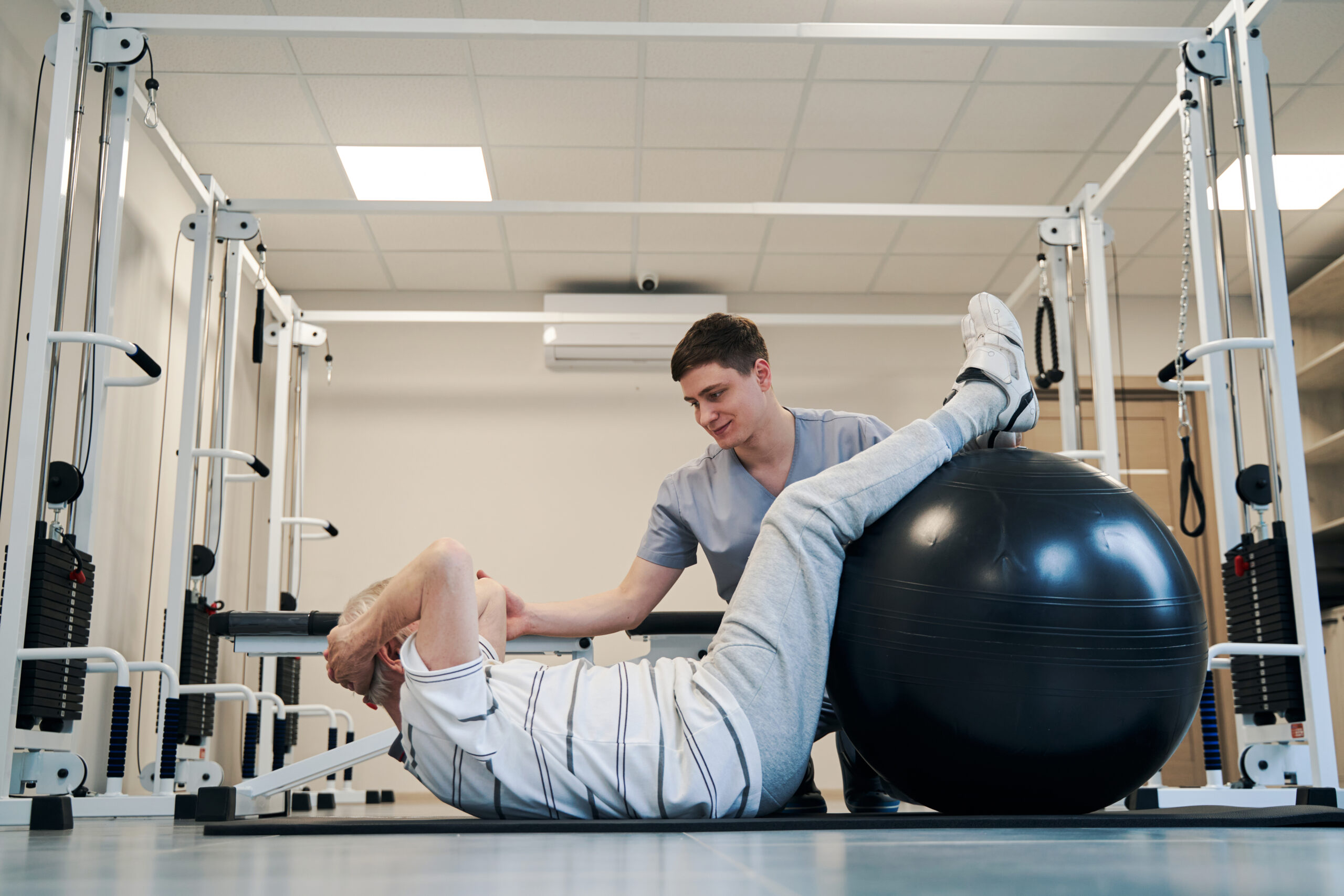
Who is Pilates best suited for?
Pilates suits a wide range of people, especially anyone looking to improve their mobility and their strength through range.
Chronic low back pain. Pilates can be offered as one way to support active rehabilitation. The 2021 physical therapy guideline recommends several exercise options for chornic low back pain, including strengthening, endurance, aerobic and general exercise.
Artistic athletes. Figure skaters, dancers and gymnasts often need to move through very large ranges of motion and may not yet have the strength or control to match those more demanding positions. Pilates trains exactly that: strength and control at end range.
Athletes in general. Most athletes can benefit from Pilates as part of a broader program, particularly for body awareness, control, endurance, and mobility.
Ready to move better? Book a clinical Pilates assessment with Leanne and start building strength and control that lasts. Also billable through physiotherapy benefits!